


The ‘cold millionaires’: the most unexpected side effect of the new weight-loss drugs
The pharmaceutical cold chain has evolved from a niche sector to become a strategic component of the industry. Major operators are investing billions in an infrastructure that is increasingly
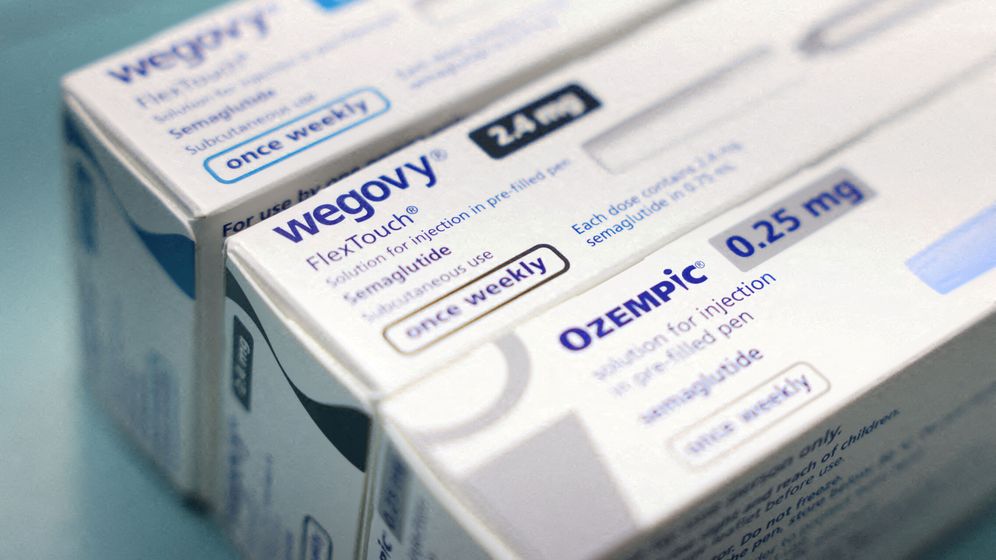
Ever since Ozempic, Wegovy and Mounjaro became the talk of the town, there has been a great deal of emphasis on how they have transformed the healthcare sector, how they have improved the quality of life for hundreds of thousands of people in Spain, and how they have revolutionised the treatment of diseases that, until now, were very difficult to combat. But there is one crucial aspect that is often overlooked: their transport.
Before reaching a pharmacy, many of these medicines must travel thousands of kilometres whilst remaining within specific temperature conditions. It is not enough simply to move them from one place to another: they must be stored, packaged, monitored and transported without any incident at an airport, a customs post or a change of vehicle jeopardising a product that may be worth thousands of euros and on which, moreover, a patient’s well-being depends. To put this into context, according to the European Medicines Agency, the widely publicised Ozempic must be kept, at all times, between 2 and 8 ºC and must never be frozen.
The spectacular growth in new treatments for diabetes and obesity has thus put pressure on an industry far less well-known than the pharmaceutical sector: temperature-controlled logistics. And the phenomenon extends far beyond GLP-1s. Biologics, vaccines, cancer therapies, personalised medicine and cell and gene therapies are transforming the traditional cold chain into an increasingly strategic infrastructure.
The figures give an idea of the scale of the transformation. An IQVIA analysis of medicines requiring refrigeration or freezing estimated that 37 per cent of new drugs launched between 2013 and 2017 required a cold chain. By 2018–2022, this figure had risen to 45 per cent, and for launches in the 2023–2027 period, the proportion is around half. In just a few years, what was once the exception is set to become the norm.
Demand for temperature-controlled pharmaceutical logistics services is growing steadily
‘Over the last decade, cold-chain logistics has evolved from serving a relatively specialised segment of the industry to becoming a fundamental part of healthcare supply chains,’ John Bolla, president of UPS Healthcare, explains to El Confidencial. He cites as the driving forces behind this ‘the growth in biologics, specialised medicines, vaccines and the latest treatments, including GLP-1 therapies’.
Pablo Bengoa, head of the Life Sciences and Healthcare business unit at DHL Supply Chain for Spain and Portugal, agrees with this assessment: “The demand for temperature-controlled pharmaceutical logistics services is growing steadily” and, he asserts, “reflects a long-term structural trend rather than a temporary increase”. Biological products and other specialised medicines are becoming increasingly important within the pharmaceutical market and, due to their very nature, are also much more demanding when it comes to transporting them from one country to another.
(…)
Share this article
Come and visit us at Logistic & Industrial Build Madrid
Full programme coming soon
More than 100 new companies join the 2026 editions of Empack, Logistics & Automation and Logistic & Industrial Build
The fairs organised by Easyfairs will bring together the packaging, logistics and industrial construction sectors on 11 and 12 November at Halls 2, 4 and
The container celebrates its 70th anniversary as a key element of the global transport revolution
Seventy years after the voyage that sparked the modern era of containerisation, this unit of load forms the basis of intermodal transport networks and moves
The ‘cold millionaires’: the most unexpected side effect of the new weight-loss drugs
The pharmaceutical cold chain has evolved from a niche sector to become a strategic component of the industry. Major operators are investing billions in an
Logistics take-up exceeded one million square metres in Spain in the first half of 2026
This represents an 80 per cent increase on the same period last year, according to the latest analysis by Cushman & Wakefield. The Spanish logistics